Achieve interior design harmony with thoughtful decor choices
Designing a cohesive home requires balancing aesthetics with functionality. Selecting the right color palette and optimizing furniture placement shapes the daily experience of inhabitants. Each design decision contributes to defining the overall atmosphere and ambiance.
Handcrafted elements
Artisanal details that elevate your space
How to sculpt clay into functional art
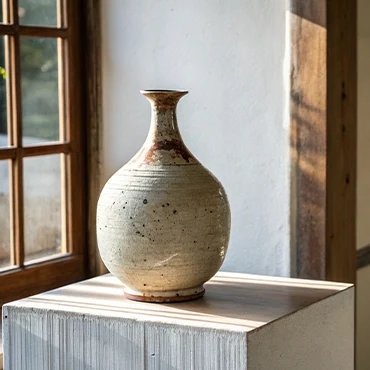
Hand-thrown pottery adds organic texture to sleek surfaces. Unfinished clay vases and glazed bowls introduce earthy tones grounding modern rooms, while providing tactile contrast against industrial materials and finishes.
Weaving natural fibers for added texture
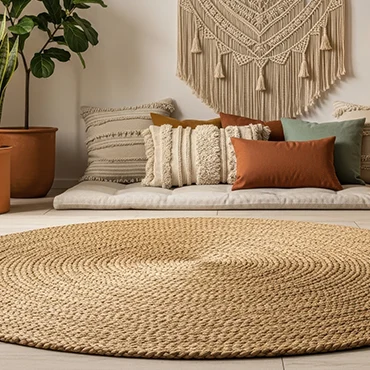
Basketry and woven wall hangings soften harsh architectural lines. These intricate structures utilize seagrass or rattan, creating visual warmth while bringing natural elements directly into your living space.
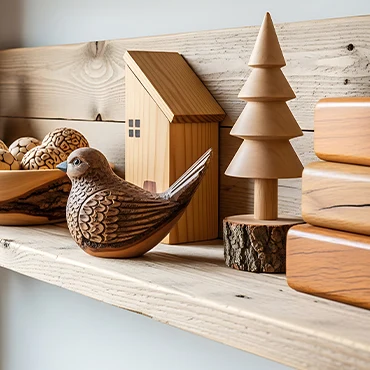
Carved wood pieces as statement decor
Lathe-turned bowls and carved figurines celebrate timber grain patterns. Natural oil finishes protect wood while highlighting inherent imperfections, transforming every piece into a unique conversation starter.
Restoration Techniques
Revitalizing vintage furniture for modern homes
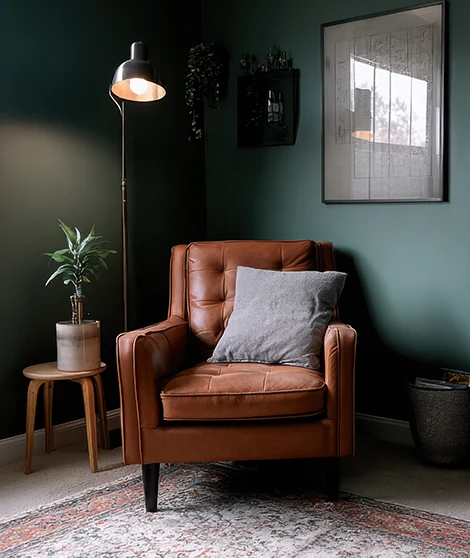
Sourcing antique dressers or chairs offers opportunities to preserve history while customizing your style. The restoration process begins with stripping layers of old varnish, revealing raw wood grain beneath. Inspecting joinery for structural stability and sanding surfaces ensures a smooth base for new finishes. Proper preparation proves crucial for longevity.
Applying modern stains or matte paints transforms dated silhouettes into contemporary focal points. Upholstery plays a crucial role here; replacing worn fabrics with durable linens or rich velvets in bold hues completely alters a chair’s character, successfully bridging the gap between traditional craftsmanship and current trends.
Integrating these upcycled pieces creates a richly layered aesthetic that mass-produced items cannot replicate. A distinct patina or custom hardware choice tells a compelling story, anchoring the room with lasting permanence and personal identity.
Spatial efficiency
Smart organization strategies for every room
Why vertical storage maximizes your space
Maximizing floor-to-ceiling height transforms wasted wall space into valuable storage areas. Installing tall shelving units or modular cabinets draws the eye upward, making rooms feel larger while concealing clutter behind seamless doors. This approach keeps daily essentials accessible yet hidden from view, maintaining visual calm.
Floating shelves offer a lighter alternative for displaying curated items. By keeping the floor clear, these fixtures maintain an airy flow perfect for compact urban apartments or narrow corridors where preserving square footage remains essential for movement.
Luminosity control
How does layered lighting shape atmosphere?
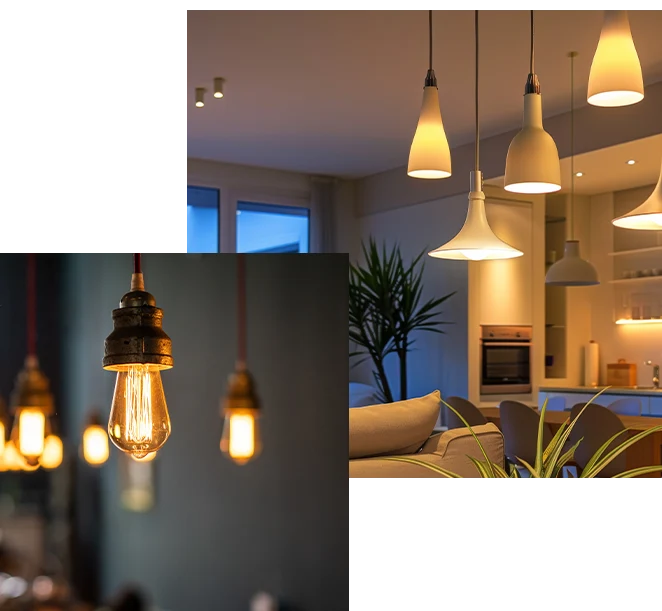
Lighting defines the mood of a room more effectively than any other design element. Ambient sources, such as recessed ceiling fixtures or architectural coves, establish a general level of brightness that mimics natural daylight. This foundation allows for safe navigation and sets a neutral canvas upon which other lighting layers build visual drama without overwhelming the senses.
Task lighting addresses specific functional needs within the space. Articulated desk lamps, under-cabinet kitchen strips, or reading sconces provide focused illumination where concentration is required, reducing eye strain without overlighting surrounding areas. Ideally, these fixtures should offer adjustable positioning to direct the beam precisely where needed most.
Dimmers allow instant adjustment of light intensity to suit the time of day, seamlessly transitioning from bright activity to evening relaxation.